November 16, 2026
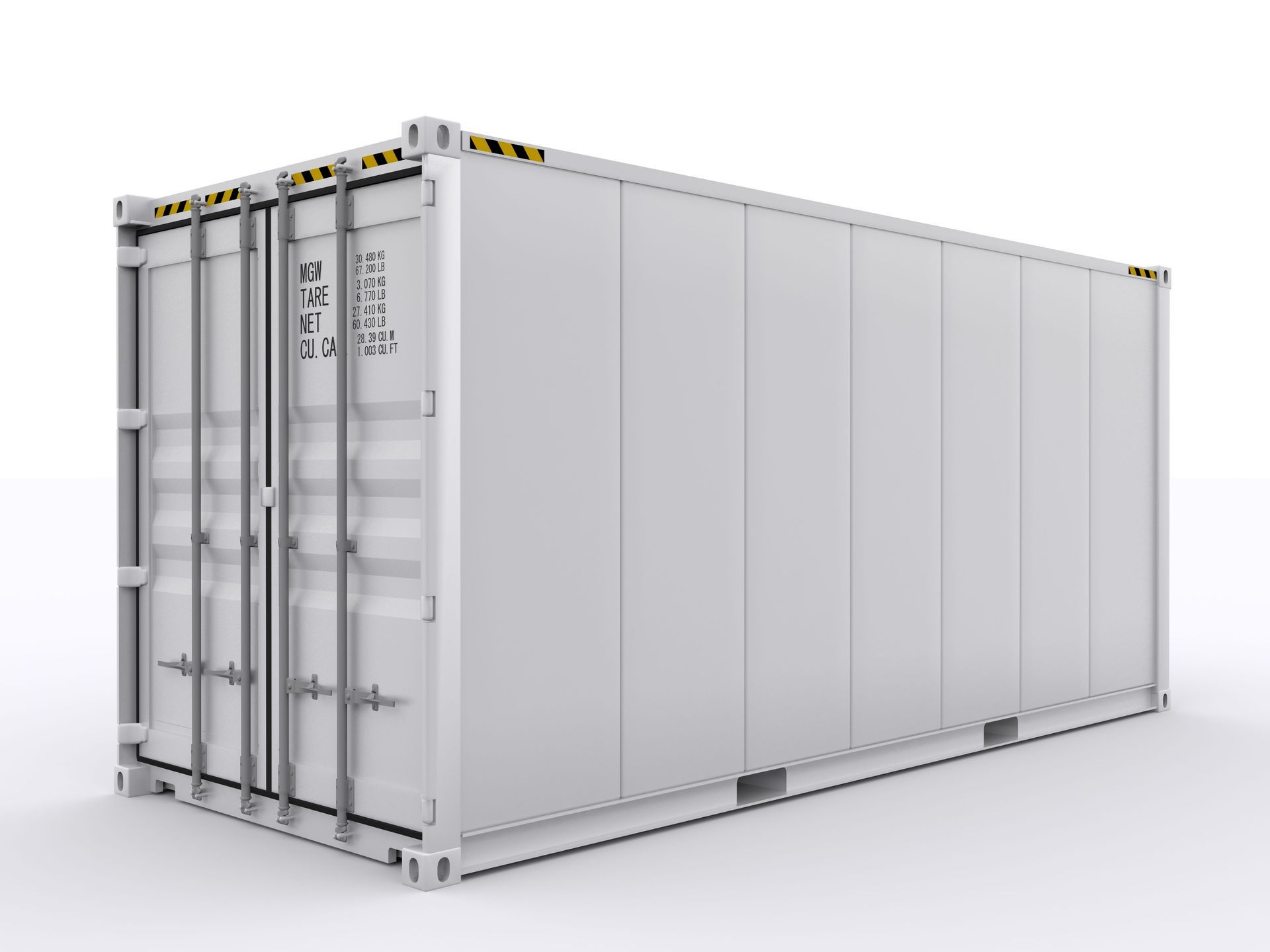
Planning an expansive event menu demands precise timing, careful coordination, and reliable cold storage. Transporting delicate proteins, dairy, and desserts across town without temperature compromises often pushes standard coolers beyond their intended capabilities. Securing a mobile refrigerated trailer ensures your culinary creations remain fresh, safe, and ready for service from the moment you leave your kitchen to the final plate served.
Protecting Food Quality and Safety Standards
Maintaining safe holding conditions is the cornerstone of professional food hospitality. Standard ice chests and insulated cambros lose their internal cooling capacity rapidly when staff open and close lids during prep, which exposes perishable ingredients to dangerous bacterial proliferation zones. A commercial refrigerated trailer delivers constant, active climate control that safeguards delicate cheeses, raw seafood, and cured meats throughout transport and setup. When ambient afternoon heat rises, your inventory stays chilled within tight parameters rather than floating in melting ice water. Reliable cooling prevents costly product spoilage, avoids health code infractions, and preserves the clean flavor profiles of carefully prepared dishes.
Managing Temperature Uniformity for Sensitive Menus
Large catered dinners often require handling vastly different temperature sensitivities across distinct courses. According to Business Research Insights, mobile cooling units can regulate interior conditions between -4°F and 77°F to meet varying cargo specifications. That expansive span gives culinary teams flexibility whether transporting hardened ice creams, holding marinated steaks at safe chill ranges, or guarding delicate greens against freezing damage:
- Operating below freezing preserves ice sculptures, frozen desserts, and bulk ice supplies for busy beverage stations.
- Maintaining standard chill zones protects poultry, beef, dairy items, and prepared dressings.
- Providing gentle cool airflow shelters sensitive floral centerpieces, chocolate garnishes, and wine selections without subjecting them to cellular breakdown.
Expanding Working Kitchen Storage Space
Venue prep spaces are notoriously compact, leaving catering crews to wrestle for room in residential-style refrigerators or cramped church hall galleys. Parking a portable unit on-site creates an accessible, walk-in staging area that functions as a seamless extension of your primary commissary. Having that exterior reserve reduces kitchen clutter, minimizes cross-contamination hazards, and streamlines plate-up logistics when courses roll out in rapid sequence:
- Offload cold bulk ingredients directly into the mobile unit upon arrival to clear counter space for plating assembly.
- Arrange finished hors d'oeuvres trays on speed racks inside the unit so service staff can replenish passed appetizers quickly.
- Reserve interior venue chillers exclusively for immediate-use items, sauces, and garnishes requiring minute-by-minute access.
Accommodating Remote Venues and Rustic Locations
Barn weddings, open-field farm dinners, and municipal park galas offer stunning scenery, but they rarely provide adequate commercial electrical infrastructure or built-in walk-in coolers. Hauling hundreds of pounds of bagged ice into an open pasture is labor-intensive, inefficient, and prone to creating messy puddles near staging tents. Utilizing an on-site refrigerated trailer allows caterers to accept lucrative bookings in remote settings without worrying about structural limitations. Commercial mobile units can run on clean shore power or connect directly to dependable outdoor generators, which keeps operations self-contained and professional. Clients enjoy their picturesque pastoral views, while your staff works with the reliability of a full-scale culinary warehouse parked just steps away.
Transporting High-Volume Inventories in Single Trips
Making multiple vehicle runs between your base kitchen and an event location wastes fuel, ties up personnel, and introduces dangerous delivery delays. Cramming sheet pans into personal SUVs or standard cargo vans compromises airflow, crushes delicate pastries, and risks cross-contamination between warm and cold items. A spacious refrigerated trailer accommodates multiple rolling sheet pan racks, insulated beverage kegs, and bulk cambros in a single organized transit. Your crew loads the inventory methodically at the prep facility, secures the load bars, and hauls everything to the job site in one controlled trip. Reducing the number of transit legs lowers delivery stress, limits vehicle wear, and frees your team to focus on menu execution rather than traffic navigation.
Reducing Physical Strain and Labor Inefficiencies
Event catering requires immense physical endurance, from loading heavy sheet pans at dawn to breaking down portable cooking lines after midnight. Traditional insulated coolers and metal ice tubs are cumbersome, heavy to lift, and dangerous for staff moving across slick surfaces or uneven grass. Modern mobile cooling solutions streamline material handling through ergonomic design features:
- Built-in walk-in flooring allows crew members to roll tall sheet pan racks directly inside rather than lifting individual tubs manually.
- Interior safety release handles, non-slip flooring, and bright overhead lighting prevent tripping hazards and back strain during frantic dinner rushes.
- Wide doors enable two people to load heavy beverage containers together safely, which creates fewer workplace injuries and lowers overall team fatigue.
Scaling Inventory Capacity for Peak Holiday Seasons
The winter holiday rush, autumn wedding surges, and springtime graduation weeks frequently push a catering company’s physical kitchen storage beyond maximum capacity. Purchasing additional permanent walk-in coolers requires extensive capital, municipal building permits, and valuable square footage that remains vacant during slower operating months. Bringing in a temporary refrigerated trailer gives your business dynamic seasonal flexibility without long-term financial commitments. You can expand holding capacity during high-demand months, handle back-to-back weekend banquets with ease, and return the unit once the busy season subsides. This flexible capacity management shields cash flow, avoids idle equipment costs, and ensures you never have to decline a profitable booking due to a lack of cold space.
Selecting Commercial Cooling Units Over Homemade Alternatives
Attempting to build makeshift cooling rigs using cargo trailers, insulation foam, and residential window air conditioners creates severe operational vulnerabilities. Residential cooling compressors cannot cycle rapidly enough to recover from frequent door openings, and they lack the airflow velocity needed to remove heat from densely packed food boxes. Improperly chilled food risks sickening attendees, attracting regulatory fines, and permanently damaging hard-earned culinary reputations. Furthermore, improper electrical wiring in home-brewed contraptions poses genuine fire risks around flammable canvas event tents. Investing in purpose-built commercial refrigeration guarantees compliant sanitary wall panels, proper floor drains, calibrated digital thermostats, and continuous cooling performance that satisfies strict health inspectors.
Avoiding Costly Emergency Breakdown Risks
Catering equipment operates under demanding conditions, enduring vibrating road transit, changing ambient temperatures, and continuous door openings under blazing summer sun. Commercial cooling trailers feature heavy-duty suspension, road-tested refrigeration components, and insulated structural walls built to withstand constant movement. These units undergo rigorous maintenance cycles, including regular refrigerant charge testing, door seal inspections, and airflow coil cleanings, ensuring they operate seamlessly throughout high-stakes banquets. Knowing your inventory is sheltered inside an engineered, mechanically sound enclosure allows you to greet clients and direct dinner services with complete confidence.
Upgrading Beverage Presentation and Bar Service
Beyond serving plated dinners, high-volume event catering requires chilling hundreds of beverage bottles, craft beers, mixers, and garnishes. Stashing drink supplies in melting ice bins creates wet labels, messy service counters, and waterlogged containers that frustrate bartenders. Storing backup cases inside an accessible mobile cold unit preserves dry packaging, maintains crisp drinking temperatures, and eliminates frequent runs to resupply base bar stations.
Choosing Proven Mobile Refrigeration Solutions
When food presentation, client satisfaction, and strict temperature control are paramount, partnering with an experienced local cooling provider makes all the difference for your catering venture. Beyond supplying mobile units, a dedicated company offers commercial refrigeration service, routine maintenance, comprehensive equipment repair, walk-in cooler installation, and commercial ice machine solutions to keep every aspect of your cold chain running smoothly. Equipping your catering operation with an engineered mobile unit provides the reliability, storage volume, and peace of mind necessary to deliver memorable meals anywhere your clients choose to gather. To secure a dependable refrigerated trailer for your next outdoor banquet or busy seasonal rush, reach out to the experienced team at Nashville Refrigeration Inc.